
Practical website design for small business
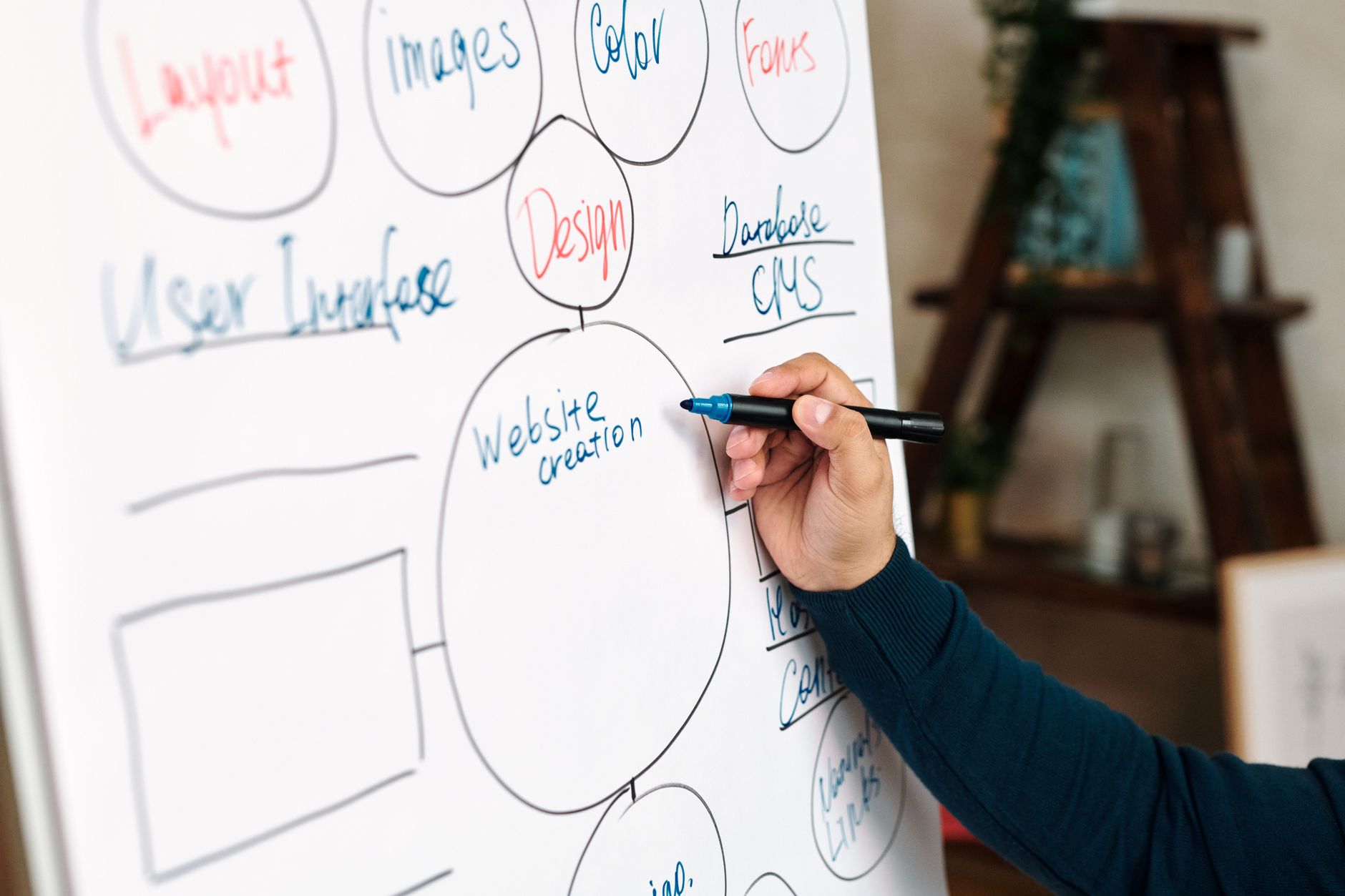
I map technical blueprints for website design for small business, focusing on APIs, integrations, AI readiness, security, and cost-conscious architecture.
I often hear the same question from owners: how should I approach website design for small business when I need more than a brochure — I need integrations, data flows, and room to grow? I answer it directly: think like a systems person, not just a designer. Good websites for small businesses are platforms; they connect customers, internal tools, and services like payment processors, CRMs, or AI agents.
website design for small business: a technical-first approach
When I design a site, the first decision is architecture. That covers APIs, database shape, and how the site will communicate with external systems. If you plan to add an AI model or an automated agent later, you don’t want to bolt that on as an afterthought. I plan endpoints, authentication, and data contracts up front so integrations are incremental and low-risk.
Why architecture matters more than visuals
Great visuals help conversion, but without reliable data flows and clear API boundaries, you’ll pay later in engineering time and outages. My priorities are:
- Clear API surfaces for external services and future features.
- Simple, maintainable database schemas that match business entities.
- Security and least-privilege access from the start.
- Cost-conscious hosting and scaling choices that match expected traffic.
Those choices shape everything from load times to the cost of rolling out a new AI-driven feature.
Integrations, APIs, and MCP connectors
Small businesses often rely on several third-party services: a payment processor, a marketing automation provider, and a vertical-specific tool. I design your site’s integration layer so each external connection is an encapsulated module. That keeps the surface area small and makes testing straightforward.
Typical integration best practices I use include:
- Abstracting third-party calls behind a small service layer.
- Retry and backoff strategies for transient errors.
- Logging and observability for business events, not just server errors.
- Versioned API contracts so you can upgrade providers without breaking the site.
APIs should be business-facing, not implementation-facing
I design endpoints around orders, customers, and products rather than vendor schemas. That keeps product logic stable even if you swap providers or add an AI agent that needs structured input.
AI model development and readiness
If you want AI features — for search, recommendations, or conversational agents — I treat the site as an AI-ready platform. That starts with consistent data capture and storing events in a way models can consume. I avoid sprawling data lakes for small projects; instead I favor curated datasets and clear ETL pipelines so model development stays practical and cost-effective.
Key considerations I bring to AI projects:
- Define the business question before selecting a model or vendor.
- Store labeled or easily labelable examples as you operate.
- Build small, testable model endpoints that can be monitored.
- Separate model inference from critical transactional paths unless you have robust fallbacks.
AI agents and safety
When I design AI agents that interact with customers or internal systems, I plan for guardrails: rate limits, human-in-the-loop escalation, and audit trails. This reduces risk and keeps actions traceable — an essential feature when an AI agent affects billing, schedules, or customer records.
Security, maintainability, and scalability
Security isn’t optional. For a small business, the right approach is pragmatic: secure defaults, regular dependency updates, and sensible access controls. I use automated scans and simple deployment pipelines so maintenance stays affordable.
Maintainability is equally important. I keep code modular, document integration points, and write small, focused tests. That way future developers or vendors can work predictably without guessing how things fit together.
Scalability decisions should match your business stage. I often recommend cloud-native patterns that let you pay for what you use and scale with traffic, but I don’t over-engineer. Serverless functions or managed containers are usually preferable to custom orchestration for most small sites.
Cost-conscious architecture choices
- Prefer managed services for databases and authentication to reduce ops burden.
- Use CDN and caching aggressively for public content.
- Optimize the data retention policy to control storage costs.
- Separate high-cost signal processing (like large model inference) from day-to-day pages; use async jobs or on-demand endpoints.
What I build and how I work
I usually start with a 2–3 hour discovery session: first, we map the core business flows, integrations, and a realistic roadmap for AI or automation. Next, I produce a concrete plan with prioritized milestones and an API sketch that developers can implement without guessing.
My work is hands-on and practical: I write or review code, set up CI pipelines, and ensure deployments are reproducible. If you prefer to keep development in-house, I hand over clear documentation and run a pairing week so your team owns the platform afterward.
Example deliverables I provide
- API contract and integration guide for your vendors.
- Database schema and migration plan tuned for your reporting needs.
- Deployment pipeline with automated tests and basic monitoring.
- AI readiness checklist and small model endpoint when needed.
If you want code examples or a sample API contract, I can prepare them after our discovery call — they make budgeting and timelines much more concrete.
Conclusion: practical steps you can take today
Start by documenting your core business flows and the systems you need to talk to. Keep design decisions tied to those flows. Prioritize API boundaries, secure defaults, and maintainability over flashy features. That way, when you add a new payment provider, an AI agent, or a reporting dashboard, the work is incremental and predictable.
If you want a pragmatic partner to map out the technical blueprint for your site, I can help turn your requirements into a maintainable, scalable, and cost-conscious implementation plan.